Buying Guide
Waterproof Jewelry for Teens: What Actually Survives a School Year
· 3 min read
Jewelry bought for a teenager gets tested harder than anything else in a jewelry box. It goes in the shower because taking it off is a step nobody remembers at 7am. It goes to PE. It goes in the sea in August and the pool in February. It gets slept in.
Most of what's sold to that age group is plated brass, and plated brass loses that test in about six weeks. This is what to look for instead.
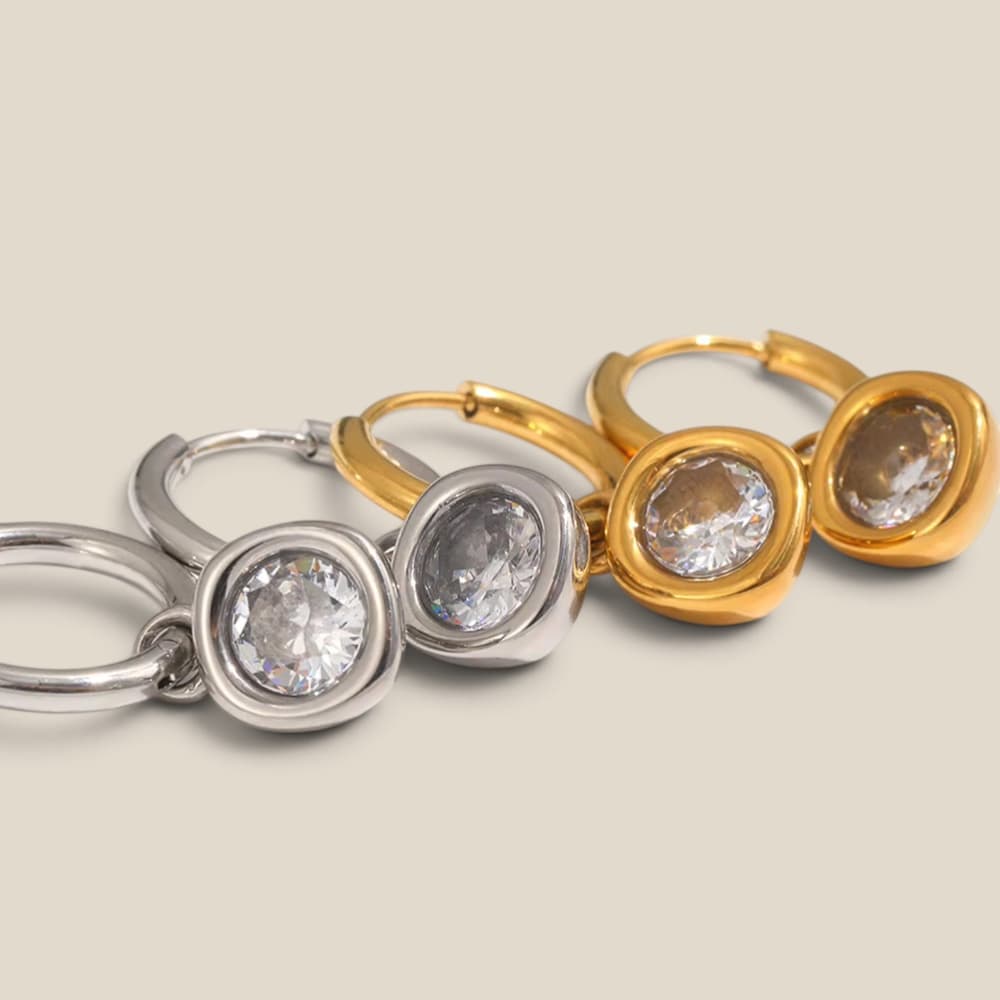
The four things that actually matter
- The base metal, not the colour. "Gold" on a price tag describes the finish, not the material. What matters is what sits underneath it.
- Nickel. The most common contact allergy in Europe, and the reason cheap earrings sting. Nickel-free is not a style claim; it is a materials claim.
- Whether it can get wet. If it has to come off for a shower, it will get left on a sink at a sleepover and never come home.
- Whether it can be replaced. Things get lost at this age. A piece worth wearing daily is a piece you can shrug about losing.
Why plated brass fails so fast here
Most inexpensive "gold" jewelry is brass with a microns-thin layer of gold on top. Brass contains copper, copper reacts with sweat, and sweat is the one exposure a teenager's jewelry never gets a break from.
That reaction is what turns skin green. It isn't dirt and it isn't an allergy — it's copper salts forming where the plating has worn through. Once the layer is breached, no amount of cleaning brings it back, because there's nothing left to clean.
Sports, humidity and sleeping in it all shorten that timeline. So does a shower a day, which is the norm rather than the exception at this age.
316L surgical steel, and why it is the boring right answer
316L is the grade used for surgical instruments and implants. It contains no free nickel available to react with skin, it doesn't oxidise in water, and there is no plating layer to wear through because the colour of a steel piece is the metal itself — or, on gold pieces, a PVD layer bonded into the surface rather than sitting on top of it.
It is not a luxury material and it isn't sold as one. It's the material chosen when something has to survive being worn constantly by someone who will not baby it.
School, sport and piercings
Newly pierced ears are the one case where the material genuinely matters medically rather than cosmetically. A healing piercing is an open wound in contact with metal for weeks, and that is exactly where a nickel sensitivity gets created rather than just revealed.
For PE and swimming, the practical question is whether it needs removing. Steel doesn't, which means one fewer thing to lose in a changing room.
What to buy first
Start with the piece that never comes off — usually small hoops or studs. Those take the most exposure: hair, shampoo, sweat, sleep, every day. If anything is going to be steel, it should be that.
Rings and chains can come later, and they're where personality goes. A teenager who wears one pair of earrings for a year will happily change rings every month.
FAQ
What jewelry is safe for sensitive skin?
Can teens shower and swim in stainless steel jewelry?
Why does cheap jewelry turn skin green?
Is stainless steel jewelry good for newly pierced ears?
The test isn't whether it looks good in the box. It's whether it still looks like that in June.