Piercing & Fit
Is 316L Steel Safe for Piercings? A Sensitive-Skin Guide
· 2 min read
If your ears get angry at everything, you already know the routine. Buy earrings. Wear earrings. Take earrings out by lunchtime.
The metal is the problem, not your ears. Here's what to look for.
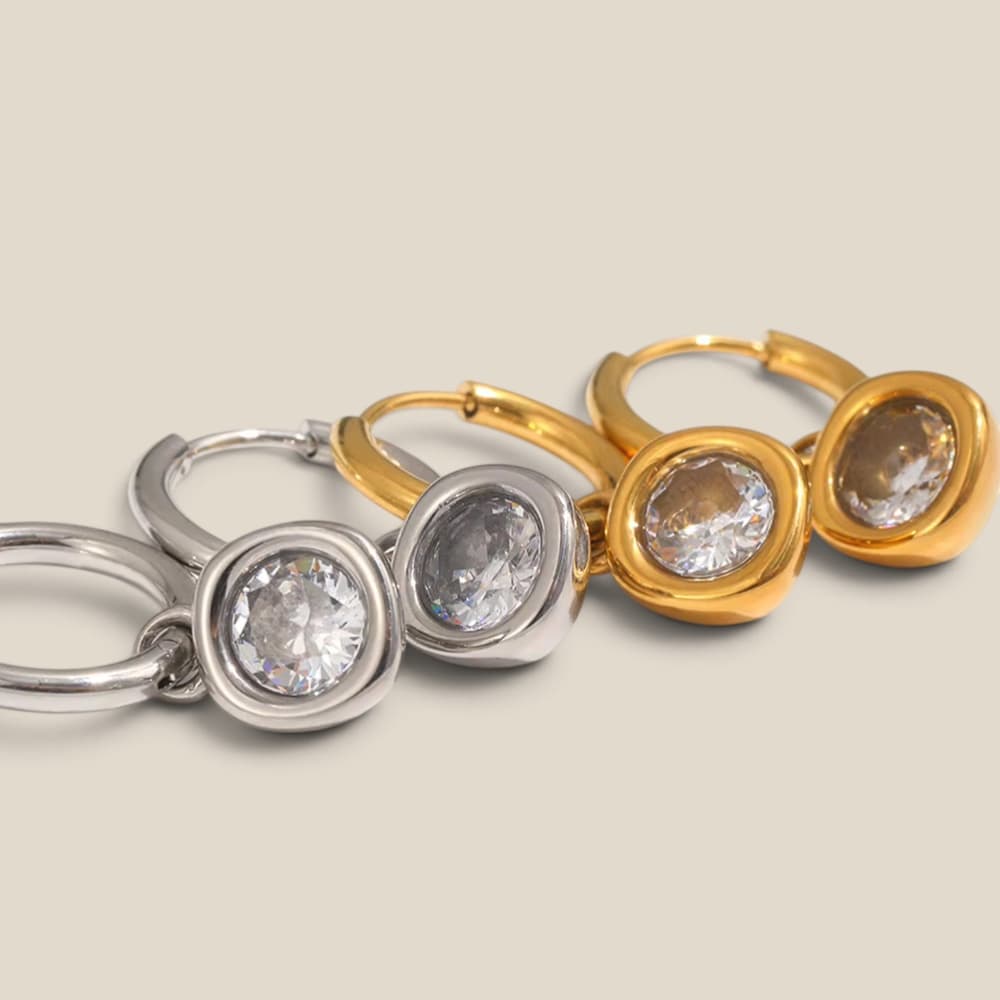
Is 316L hypoallergenic?
Effectively, yes — and here's the honest nuance most brands skip.
316L contains trace nickel. That sounds alarming until you know the mechanism: the nickel is locked into the alloy at molecular level, so it doesn't leach into your skin. Nickel allergies react to *released* nickel, and 316L releases almost none. That's why it's the standard for surgical instruments and why piercers have used it for decades.
If you have a severe diagnosed nickel allergy, titanium is still your safest bet — we'd rather tell you that than sell you something that hurts.
Sizing, without the guesswork
Belly bars. Standard is 14G. Length is usually 10mm, though 8mm suits shallower piercings and 12mm is common when healing or pregnant. Measure the bar you already wear — the bar, not the balls.
Helix. 16G or 18G depending on how you were pierced. Studs sit flatter and snag less under hair; hoops read bolder but need a fully healed piercing first.
Nipple. 14G, typically 14mm. This is the one where finish matters most — a smooth, non-porous surface like PVD steel gives bacteria nothing to hold and won't drag on healing tissue.
If your ears are the sensitive kind
Go flat-back. A flat-back stud sits flush, doesn't catch on pillows or jumpers, and stays put for weeks.
Go light. Weight is the thing people underestimate — a heavy hoop drags on the lobe all day and that's what causes the ache, not the metal.
Go 316L or titanium. Nothing plated over brass, ever.
FAQ
Is 316L stainless steel good for piercings?
Does 316L contain nickel?
What gauge is a belly button ring?
What size helix earring should I get?
Can I sleep in stainless steel earrings?
Your ears should forget they're wearing anything. That's the bar.